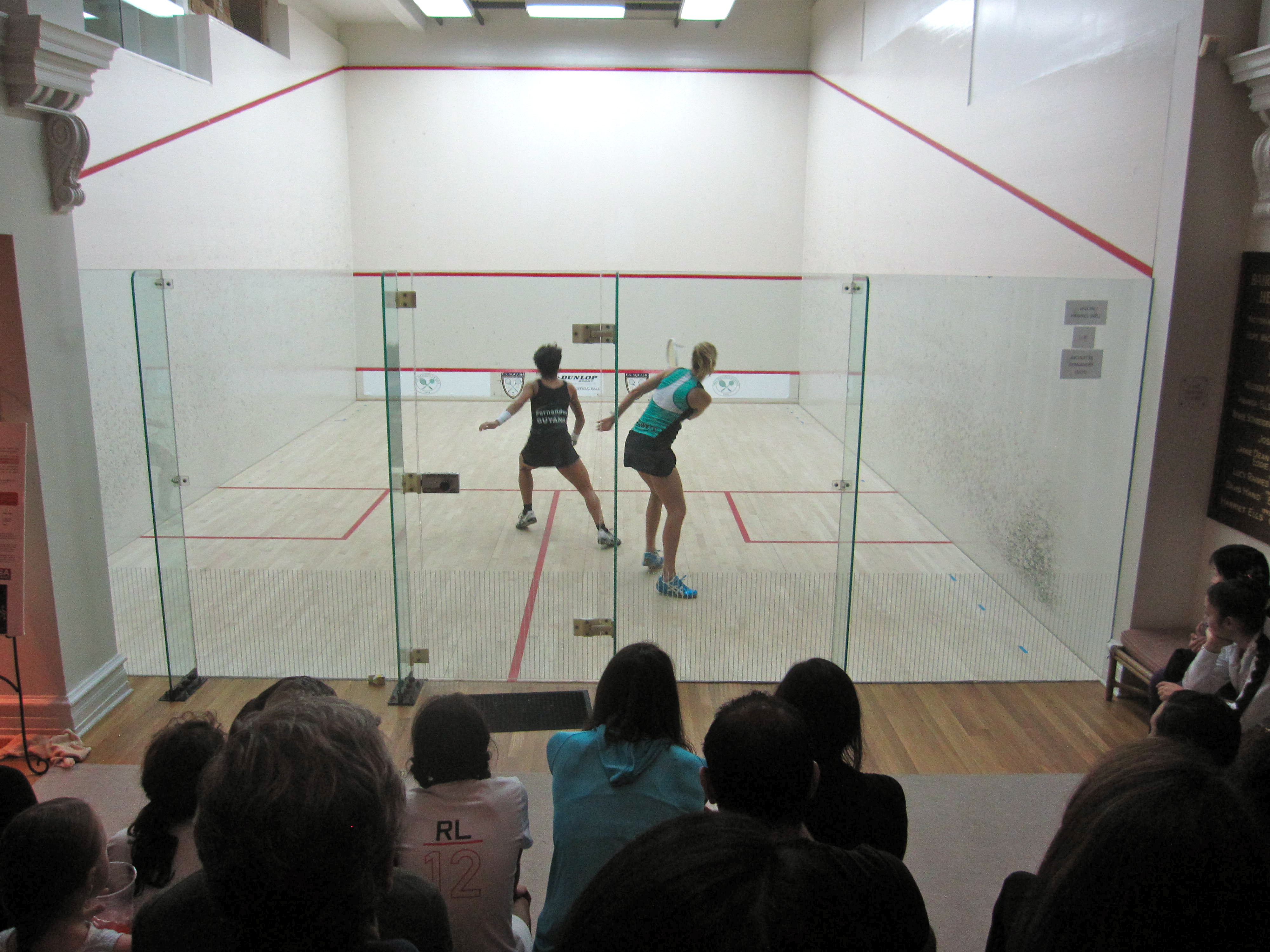
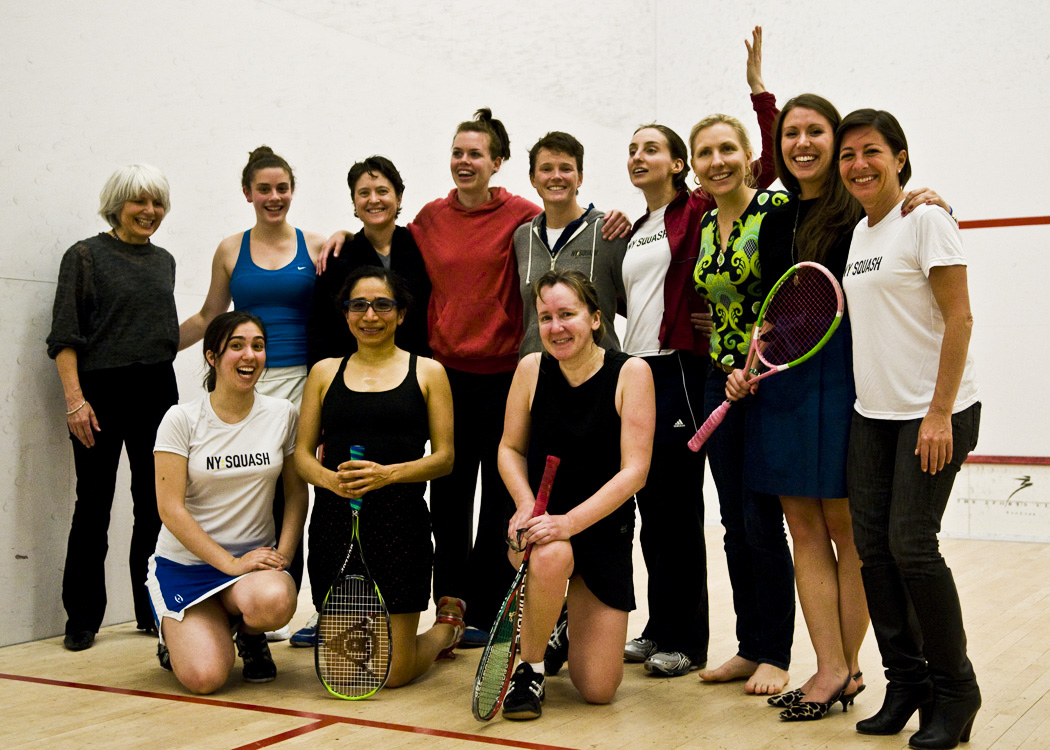
 Looking at the photo I took of my squash team the other night, I’m struck how healthy and in-shape everyone appears. Dare I say beautiful. Certainly happy. Our ages span thirty years, but it’s not immediately apparent into what decade each of us falls. And while I used iPhoto to crop the picture and adjust the exposure, I did nothing else. But then I wasn’t planning to put it in a magazine. . . .

Julia Bluhm outside Seventeen’s NYC offices
Two news items caught my eye last week. One about a 14 year old girl, who asked Seventeen Magazine to include at least one spread each issue of ‘real girls’—that is, photos of models untouched by image editing programs like Photoshop. She was bothered that no one she knew looked as flawless as the models did in the magazine.There were no blemishes or blotchiness or tan lines or cuts or bruises. The girls looked ‘perfect’, only it wasn’t a perfection that anyone off the pages of the magazine could attain—and when she saw the lengths to which some girls tried, she was appalled. So this wiser-than-women-twice-her-age Julia Bluhm put together an online petition, gathered thousands of signatures, and got an invite to meet with Seventeen’s editor-and-chief. So far, Seventeen has made no promises, but it’s great to know that there are young Julia Bluhms in this world who are looking at magazines (and the world) with their eyes open.
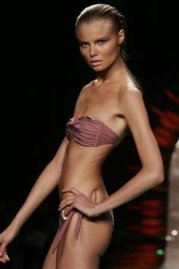
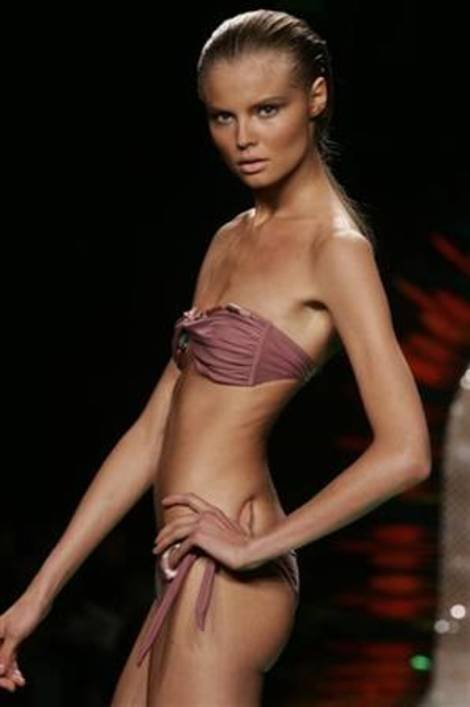
Could this model play squash?
The same week, Vogue magazine finally opened its eyes wide enough to acknowledge that teenagers as young as Julia should be heard but not seen within their pages. The editors of Vogue’s many editions announced that they would no longer hire models younger than age sixteen or who appeared to have eating disorders. As part of the announcement was a six point pact that also promised, “We will be ambassadors for the message of healthy body image.” Kudos to Vogue. However, like Seventeen, there were no promises about not altering those images. Can a body be healthy if it’s not real?
Continue reading →







 squeaky feet